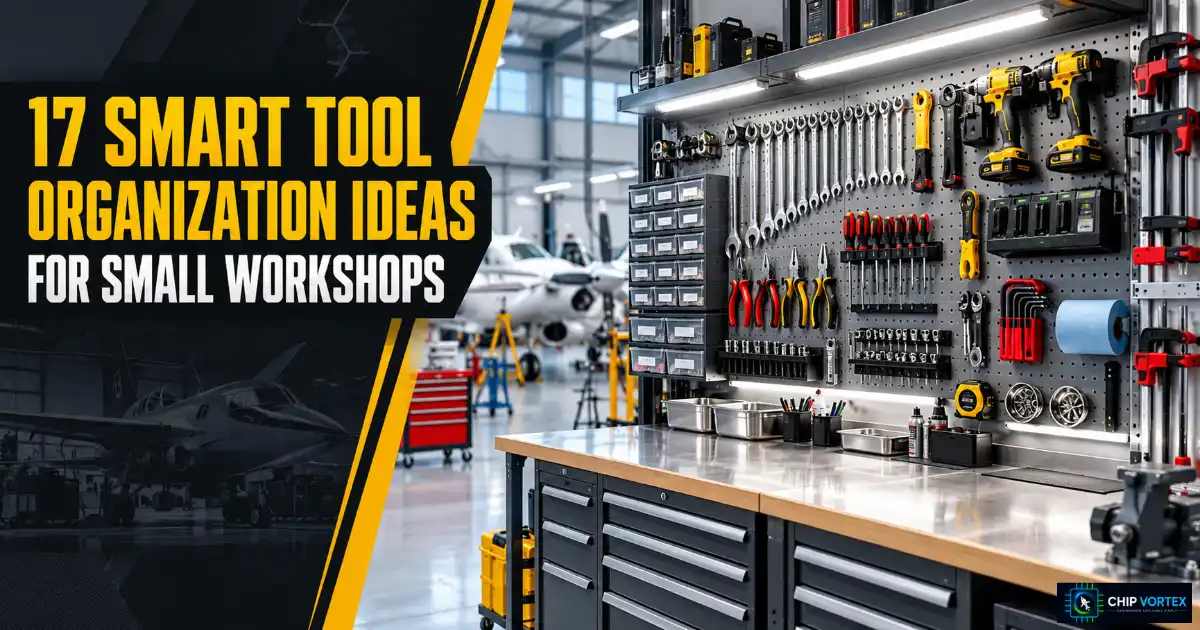
Ever walk into your workshop, spend ten minutes hunting for one wrench, and realize your bench is buried under everything except the tool you need? A small shop does not have to feel cramped and chaotic. With the right storage systems, even a corner of the garage can work like a pro setup.
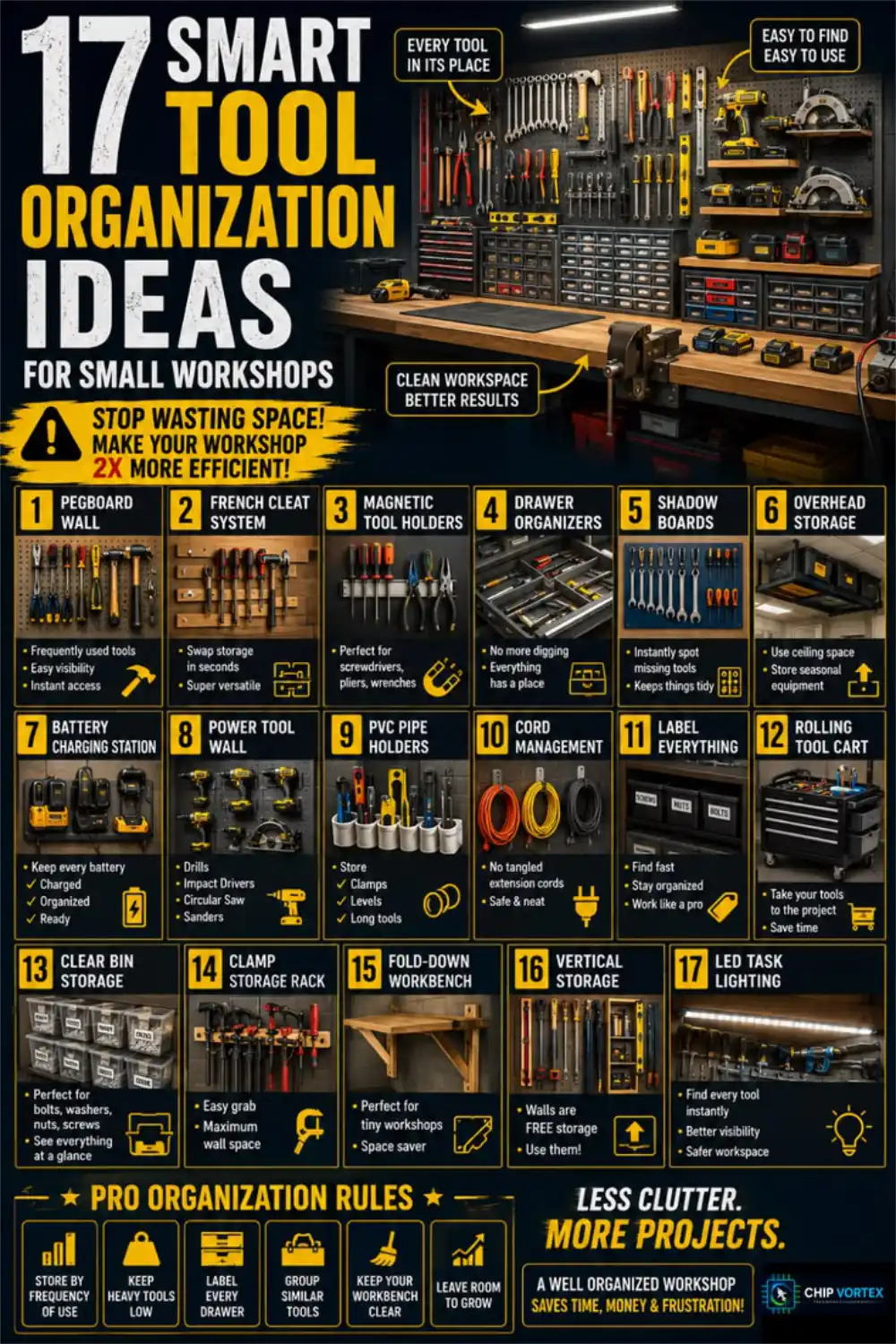
These 17 tool organization ideas are built for tight spaces. They use your walls, your ceiling, and every inch of drawer space so you stop wasting time and start finishing projects. Pick two or three that fit your space this weekend, then build from there.
Why Tool Organization Matters in a Small Workshop
Every minute spent searching for a tool is a minute not spent building. In a small workshop, clutter costs you twice: it eats your limited floor space and it hides the tools you paid for. Good organization means faster projects, fewer duplicate purchases, and a safer space to work in. The goal is simple: everything visible, everything reachable, everything with a home.
1. Pegboard Wall

Best for: frequently used hand tools.
A pegboard turns an empty wall into fully visible, grab-and-go storage. Hang your most-reached-for tools (hammers, pliers, screwdrivers) at eye level near the bench. Trace each tool’s outline with a marker so it always goes back to the same spot. Start with a small board and expand as you go.
2. French Cleat System
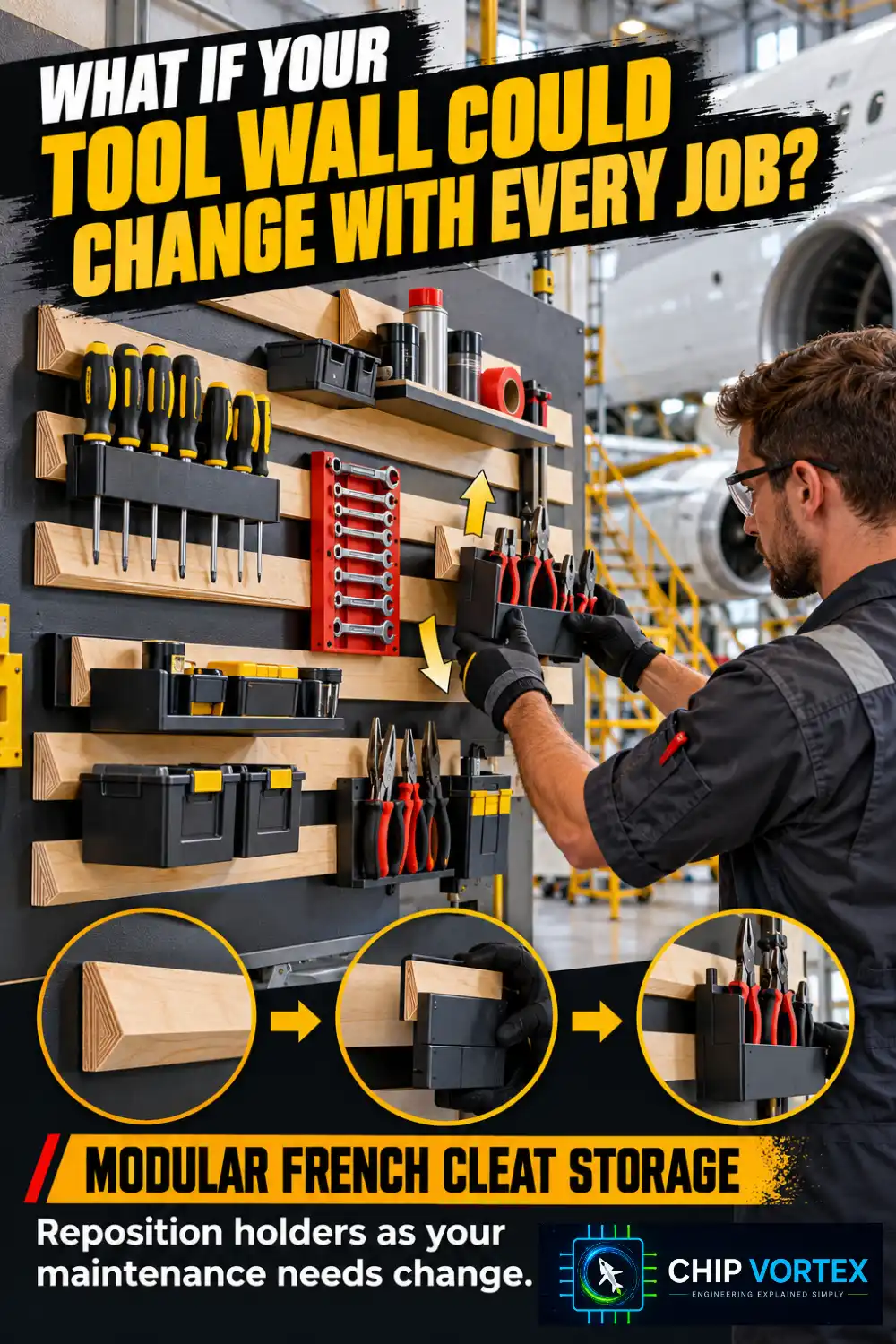
Best for: a layout you will want to change later.
French cleats are angled strips mounted to the wall, with matching cleats on the back of your holders and shelves. That lets you rearrange the whole wall in seconds and build custom holders for odd-shaped tools. It is the most flexible wall system you can install and it carries real weight.
3. Magnetic Tool Holders

Best for: metal tools like screwdrivers, wrenches, pliers, and bits.
A magnetic strip keeps small metal tools off the bench and in plain sight. Mount one above your work area for the tools you touch every session. It is a fast, cheap way to reclaim drawer space and keep essentials within arm’s reach.
4. Drawer Organizers
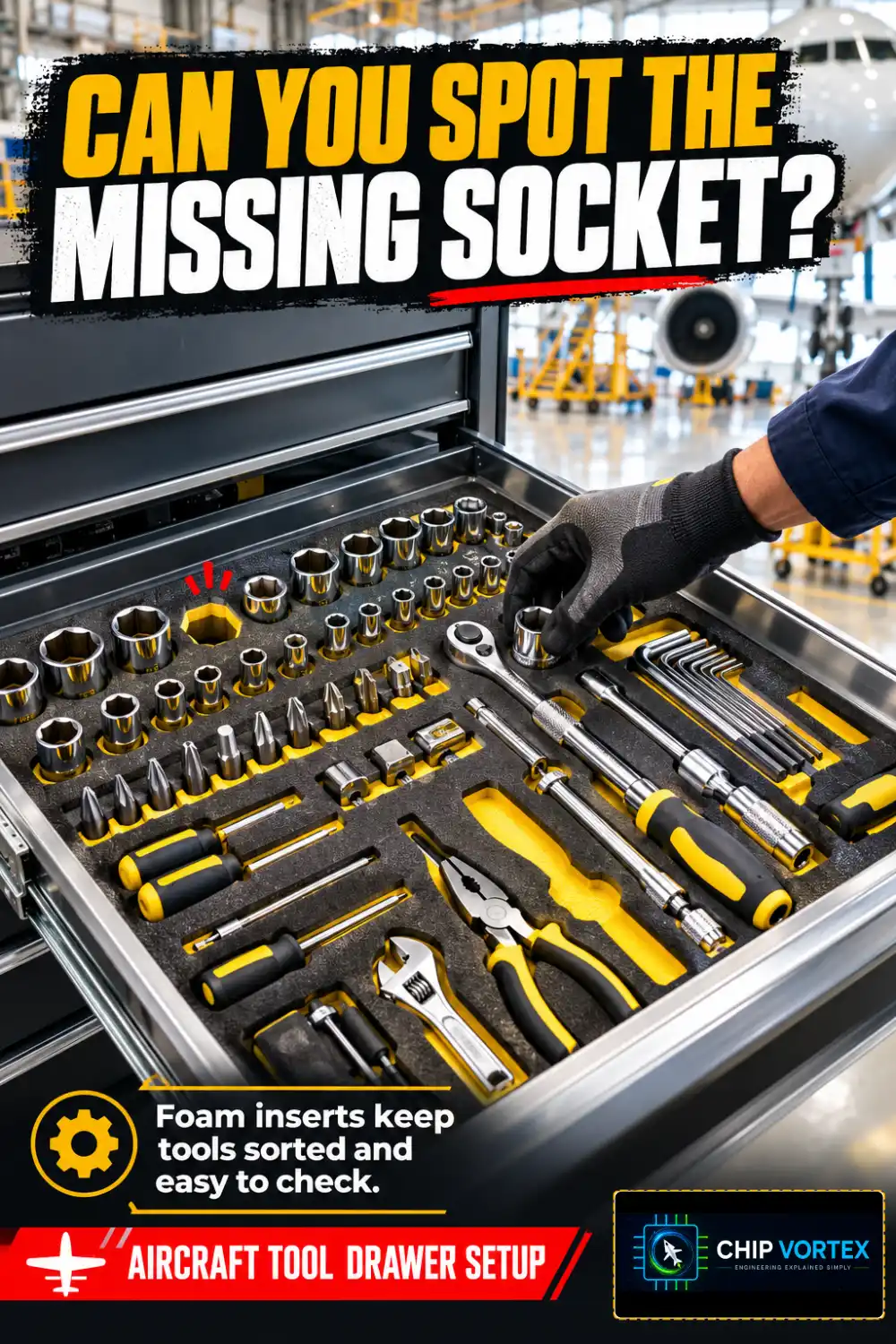
Best for: sockets, bits, and small hand tools.
Foam inserts or dividers give every tool a defined slot, so no more digging through a jumbled drawer. Custom-cut shadow foam looks professional and protects your tools from knocking around. Label the front of each drawer by category.
5. Shadow Boards

Best for: shared or high-turnover tool sets.
A shadow board is a wall panel with a painted outline behind each tool. One glance tells you if anything is missing or still borrowed. If more than one person uses the space, this keeps tools from wandering off.
6. Overhead Storage

Best for: seasonal or bulky items you rarely need.
The ceiling is free real estate. Install overhead racks or bins for holiday gear, spare lumber, and out-of-season equipment. The rule: daily tools stay low, rare items go high.
7. Battery Charging Station

Best for: cordless power tool users.
Dedicate one shelf or wall spot to chargers, with a power strip and a labeled slot for each battery. Every pack stays charged, organized, and ready, so you are never stuck mid-project with a dead drill.
8. Power Tool Wall
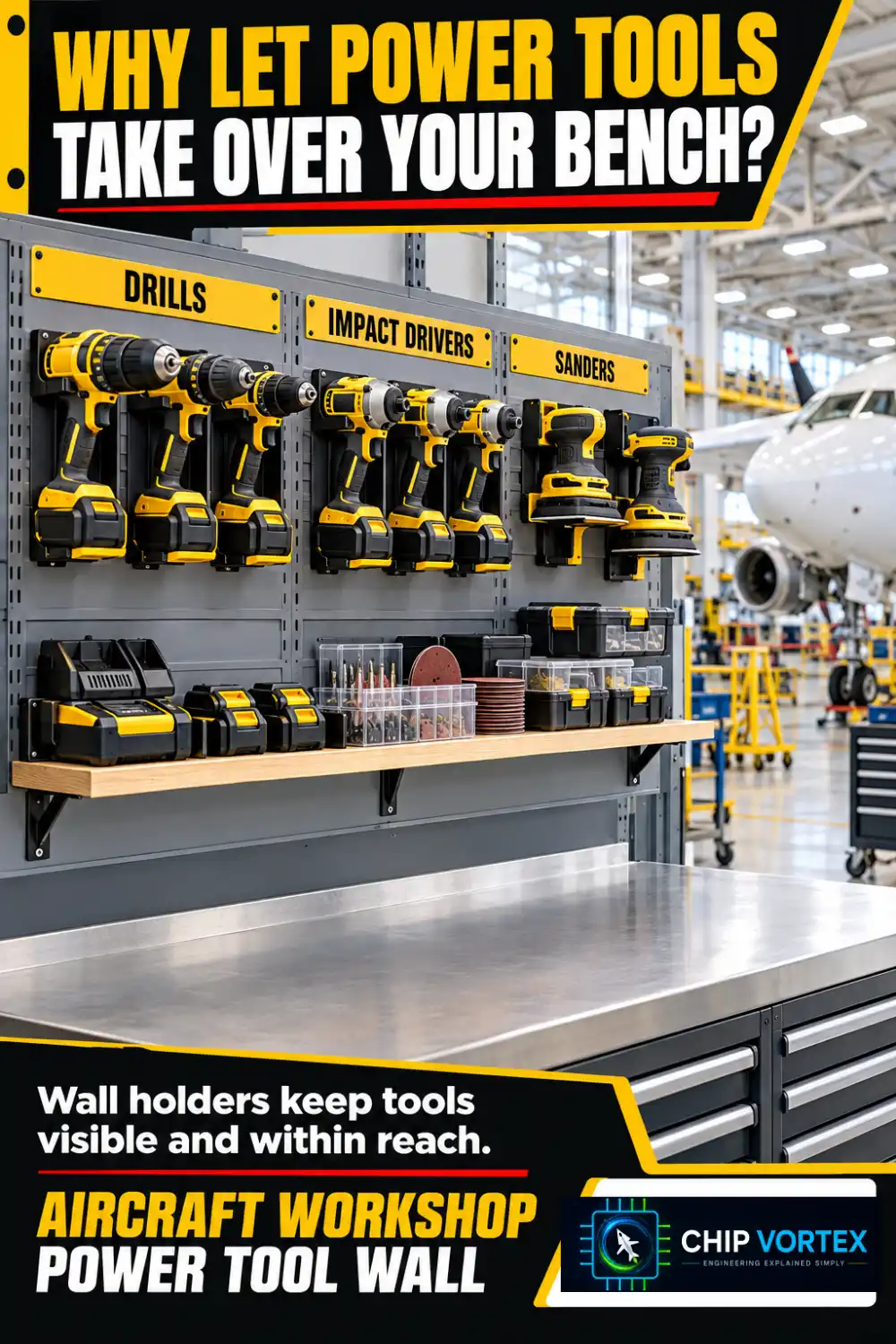
Best for: drills, impact drivers, circular saws, and sanders.
Wall-mounted holders keep heavy power tools off the bench and easy to grab. Group them by type and add a small shelf underneath for chargers and accessories. Your bench stays clear for actual work.
9. PVC Pipe Holders
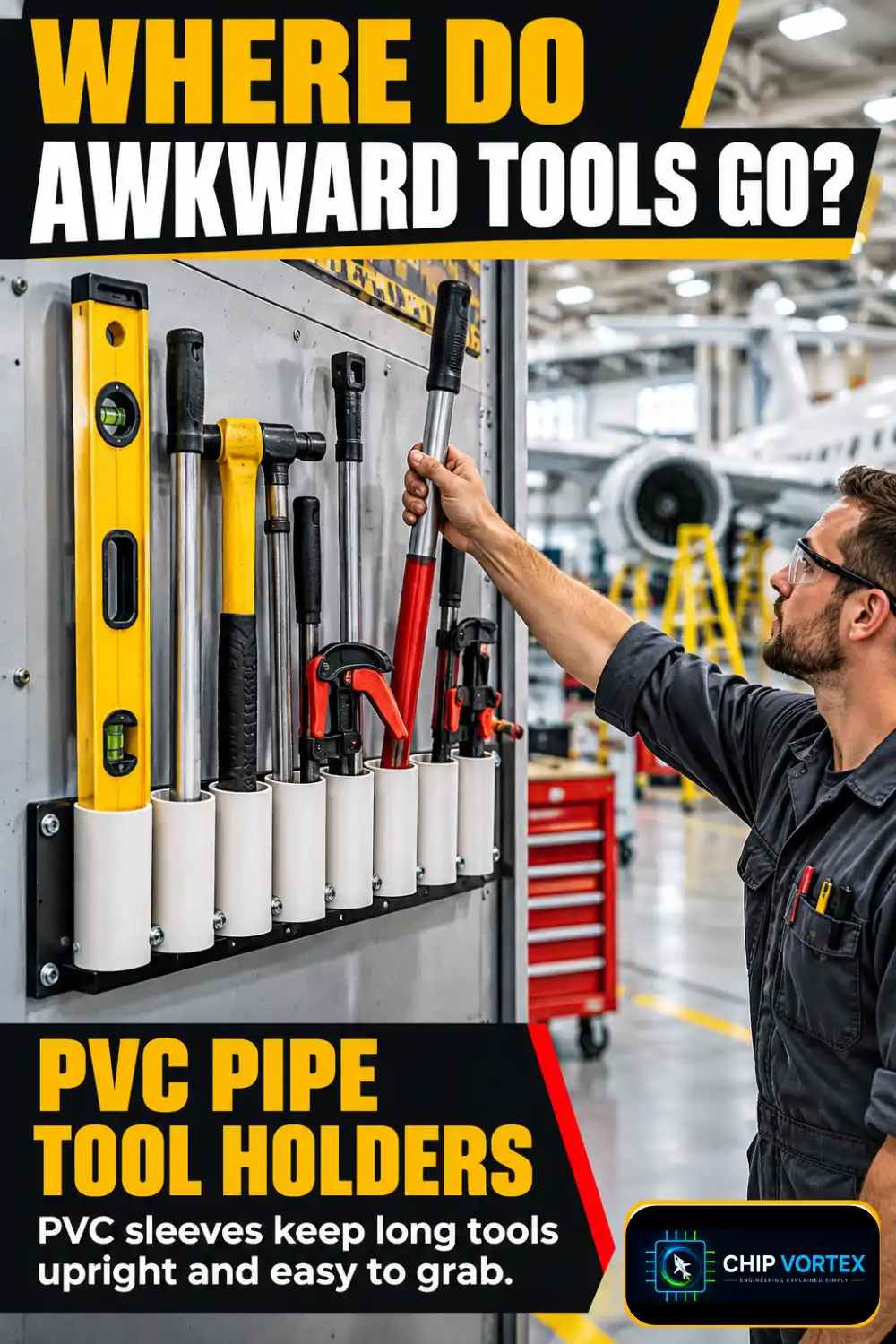
Best for: clamps, levels, and long-handled tools.
Cut PVC pipe into short sections and mount them to hold awkward items upright. It is cheap, fast, and endlessly customizable, and different pipe diameters hold different tools. A weekend project that pays off daily.
10. Cord Management

Best for: extension cords and air hoses.
Wall-mounted hooks or retractable reels keep cords coiled, tangle-free, and off the floor. This is a safety win as much as a tidiness one. Label each cord by length so you grab the right one the first time.
11. Label Everything

Best for: every drawer, bin, and shelf.
A label maker (or just masking tape and a marker) turns guesswork into instant recognition. Label by contents and, where it helps, by size. You will find things faster and, just as important, put them back in the right place.
12. Rolling Tool Cart
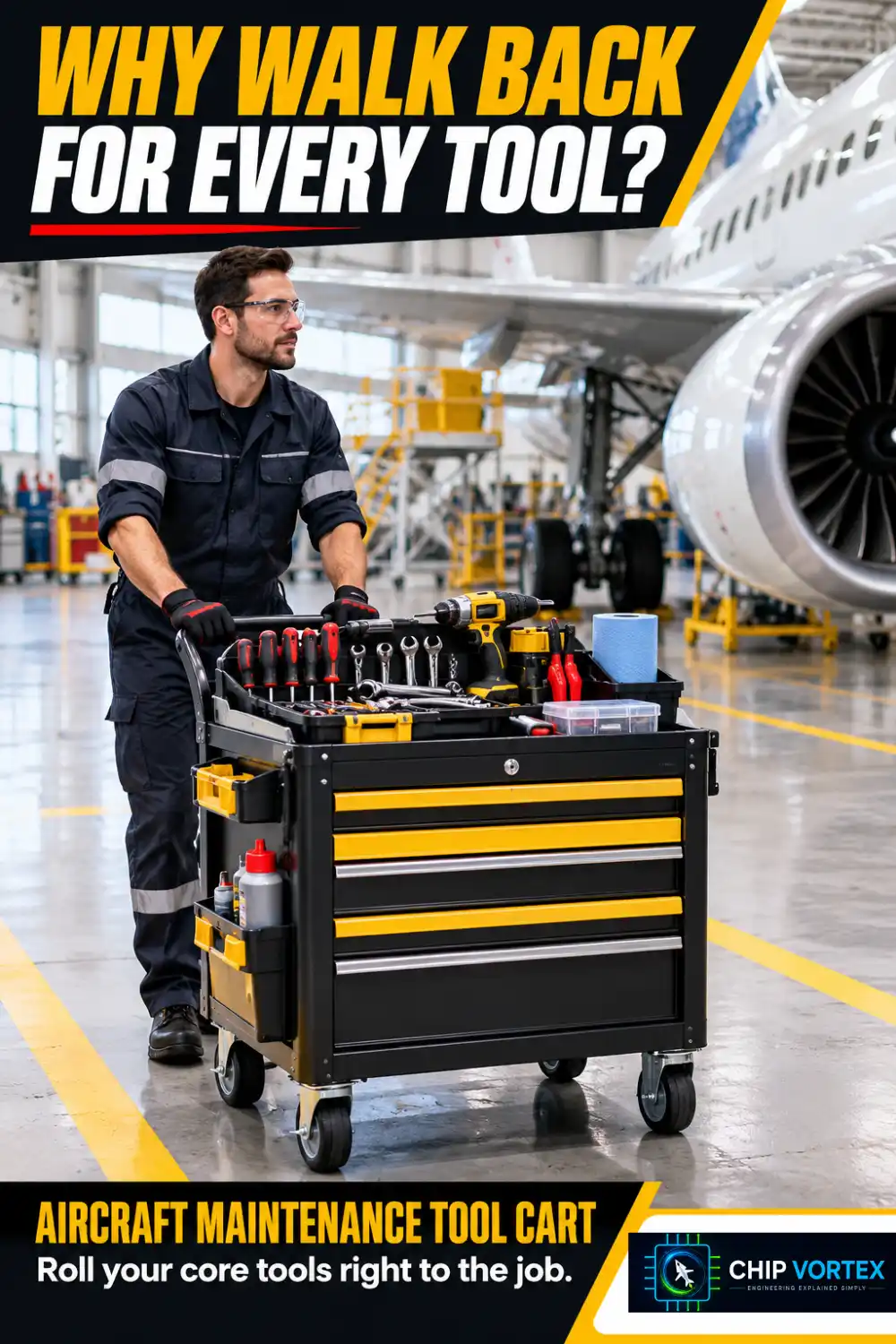
Best for: taking your tools to the project.
A cart on casters lets you bring your kit to the car, the yard, or the far bench instead of walking back and forth. Load it with the core tools for the job at hand and roll it right up to the work.
13. Clear Bin Storage

Best for: bolts, washers, nuts, screws, and small hardware.
Clear bins let you see the contents at a glance without opening every one. Stackable bins or a small-parts organizer keep fasteners sorted by size and type, so you stop buying screws you already own.
14. Clamp Storage Rack

Best for: bar clamps, spring clamps, and quick-grips.
A dedicated rack keeps clamps grouped and easy to grab with one hand. Mount it near the bench where you actually use them and sort by type and size. Clamps are awkward to store loose, so this one is a game changer.
15. Fold-Down Workbench
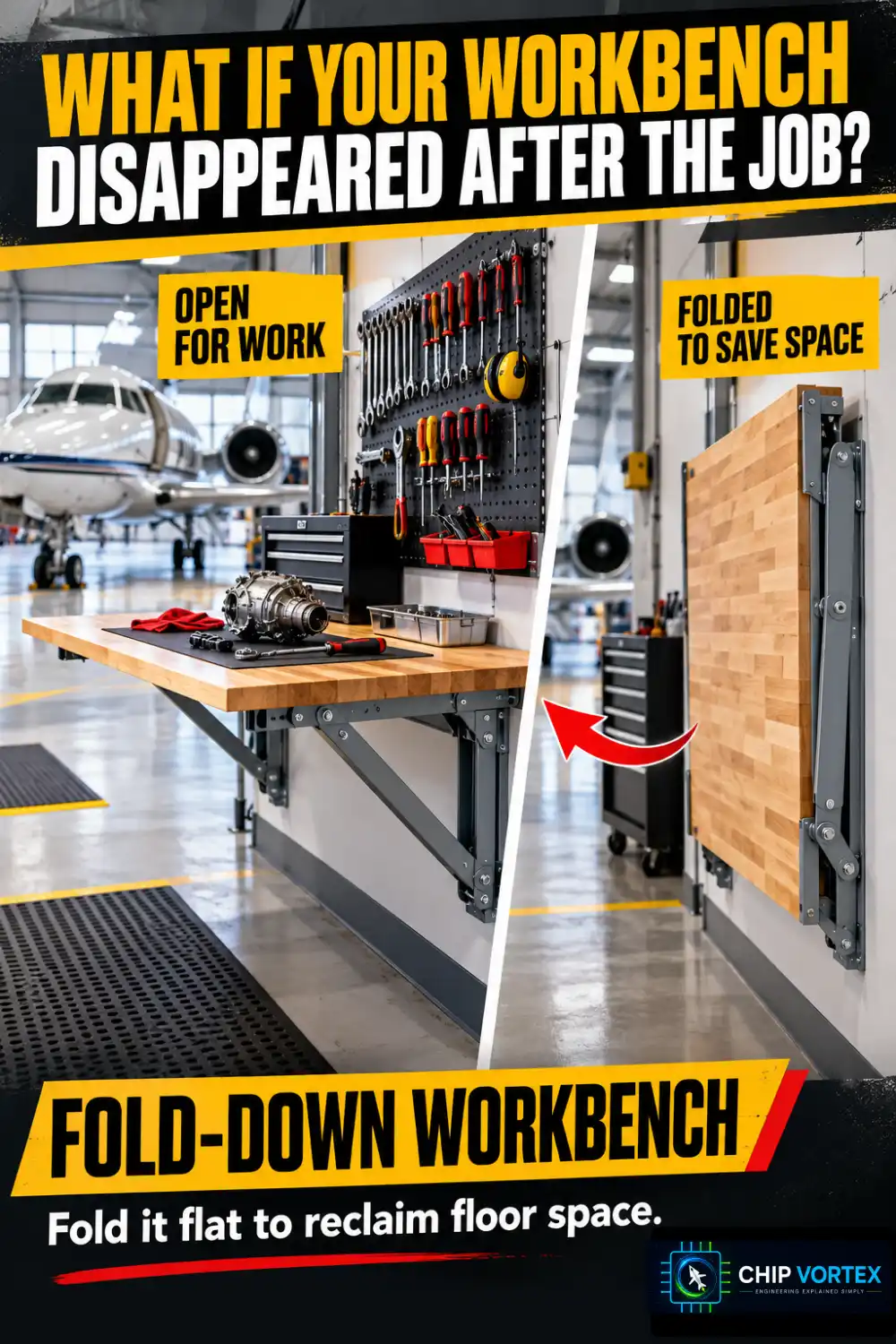
Best for: the tiniest workshops.
A bench that folds flat against the wall gives you a full work surface when you need it and reclaims the floor when you do not. Perfect for a shared garage or a corner setup where every square foot counts.
16. Vertical Storage

Best for: any space where floor room is tight.
Walls are free storage. Go vertical with shelves, racks, and hooks before you ever buy another floor cabinet. In a small workshop, the rule is always think up, not out.
17. LED Task Lighting

Best for: safety and finding tools fast.
Good lighting is organization you can see. Add LED strips under shelves and over the bench so shadows never hide a tool or a hazard. Brighter light means faster work, fewer mistakes, and a safer space.
Pro Organization Rules to Live By
A few simple habits keep your workshop organized long after setup day:
- Store by frequency of use: daily tools at arm’s reach, rare tools up high or in the back.
- Keep heavy tools low: safer to lift and easier on your shelving.
- Label every drawer: your future self will thank you.
- Group similar tools: cutting tools together, measuring tools together, and so on.
- Keep your workbench clear: the bench is a work surface, not a storage shelf.
- Leave room to grow: do not fill every slot on day one.
Frequently Asked Questions
How do I organize a small workshop on a budget?▾
Start with vertical storage and a pegboard, both cheap and high-impact. Add PVC pipe holders and clear bins for near-zero cost, and label everything with tape and a marker. You can transform a space for very little money.
What is the best tool storage for a small garage?▾
A combination works best: a pegboard or French cleat wall for hand tools, a rolling cart for mobility, and overhead racks for seasonal gear. This uses your walls and ceiling instead of precious floor space.
French cleat or pegboard, which is better?▾
Pegboards are cheaper, faster to set up, and great for light hand tools. French cleats hold more weight and let you rearrange holders in seconds, so they suit heavier or changing setups. Many small shops use both.
How do I keep my workbench clear?▾
Give every tool a home on the wall or in a drawer, use a rolling cart for the current job, and reset the bench at the end of each session. A clear bench is a habit, not a one-time cleanup.
Where should I start if my workshop is a mess?▾
Store by frequency of use. Put your most-used tools within arm’s reach of the bench first, then work outward. That single rule delivers the biggest time savings for the least effort.
Less Clutter, More Projects▾
You do not need a bigger workshop. You need a smarter one. Pick two or three of these ideas that fit your space and budget, install them this weekend, and add more as you go. A well-organized workshop saves time, money, and frustration on every single project.